trusted event planners for Non profits in New Jersey for impactful event planning
Turning Ideas into Action: The Way Event Planners Transform Your Non-Profit Charity Gatherings
Event planners serve as vital allies for nonprofit organizations, converting conceptual ideas into measurable results. Their knowledge closes the divide between operational planning, supplier management, and creative direction. By embracing calculated budgeting approaches and harnessing digital media, they enhance fundraising efforts and community engagement. However, the journey from concept to execution is intricate. Understanding how to select the right planner and implement effective strategies can greatly impact an event's success. What components will finally shape that accomplishment?
The Importance of Event Planners
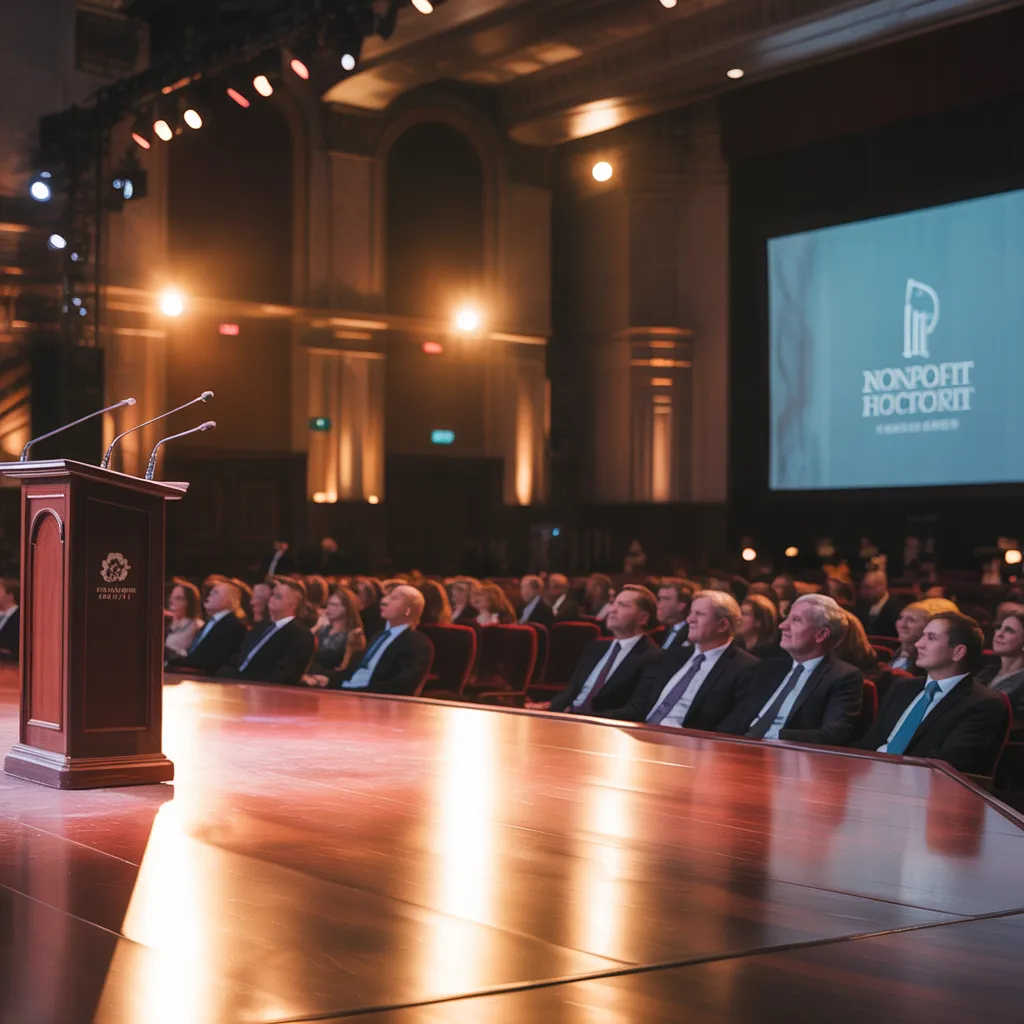
Event planners serve as the backbone of non-profit charity events, managing every element to achieve success. Their primary responsibility involves comprehending the organization's mission and vision, translating these into a cohesive event strategy. They oversee operations, such as venue selection, catering, and audiovisual requirements, making certain that all components support the event's objectives.
In addition, event planners are adept at budgeting, assisting organizations in maximizing their resources while minimizing costs. They foster relationships with vendors and sponsors, securing contracts that support the charity's financial objectives.
In addition to logistical tasks, they also concentrate on marketing the event, leveraging online and offline channels to boost participation and interaction. detailed resource Through organizing volunteers and team members, they build an effective team structure, maintaining organized workflows throughout the event. At its core, the function of an event coordinator is vital in elevating the total effectiveness and achievement of charitable nonprofit gatherings.
Selecting Your Event Planner
What steps can a non-profit organization take to ensure it chooses the ideal event planner for its charity event? The hiring process commences with locating planners who carry relevant experience in the non-profit sector. Organizations are encouraged to examine portfolios and case studies so as to measure previous accomplishments and applicable expertise. Engaging in conversations with potential planners allows for insights into their understanding of non-profit goals and values.
In addition, groups should seek suggestions from colleagues or professional networks to ascertain reliability. Consulting potential hires about their planning approach, solutions to challenges, and goals for the occasion can highlight a good fit. Budget considerations are also vital; event planners must offer clear pricing frameworks that suit the charity's fiscal parameters. Lastly, assessing communication preferences is critical—strong working relationships are built on clear and consistent communication. By thoroughly evaluating these aspects, a charitable organization can confidently choose an event coordinator who will successfully enhance its philanthropic gathering.
Engaging Themes That Inspire
What qualities define a truly impactful theme for a charity event? A well-crafted theme speaks to the audience and reflects the values of the non-profit. It must stir feelings, generating enthusiasm and participation among guests. For instance, a "Masquerade Ball" can create an air of mystery, encouraging guests to connect through shared experiences.
Furthermore, themes must be visually captivating, enhancing the overall ambiance and ensuring the event is memorable. Including interactive elements, such as live art or photo booths, can additionally engage attendees.
Moreover, a carefully chosen theme can streamline the planning process, shaping decisions related to decor, food, and entertainment. By confirming that all elements of the event represent the designated theme, organizers can deliver a seamless experience that strengthens the charity's message. Ultimately, a compelling theme not only brings in attendees but also fosters a stronger connection to the purpose, inspiring generosity and support.
Intelligent Budget Planning for Charity Events
A compelling theme sets the tone for a charity event, but smart financial planning ensures its seamless execution. Effective budgeting requires a comprehensive evaluation of both fixed and variable expenses, ensuring that every dollar contributes to the event's goals. Professional event organizers commonly advise creating a structured budget plan that includes venue expenses, catering, marketing, and entertainment.
Prioritizing spending is essential; planners encourage identifying vital elements that align with the event's mission. Furthermore, pursuing in-kind contributions and sponsorships can significantly lower expenses, allowing more funds to be directed toward the cause.
Routine financial reviews across the planning timeline may reduce the likelihood of unforeseen expenses. By keeping stakeholders informed about expenditures, stronger trust and teamwork can develop. Ultimately, smart budgeting not only enhances the event's impact but also solidifies the organization's reputation, ensuring that participants feel their contributions are making a meaningful difference.
Streamlined Logistics Management
Proper logistics coordination is vital for the success of non-profit fundraising events. This involves streamlined venue organization, streamlined vendor partnerships, and precise schedule coordination to ensure that every detail aligns seamlessly. By prioritizing these elements, event planners can create a smooth experience that enhances the overall impact of the event.
Seamless Venue Coordination
Even though choosing the proper venue is vital for a prosperous charity event, effectively managing logistics can determine the success or failure of the entire experience. Effective venue coordination involves meticulous planning, from spatial arrangement to ease of access. Event organizers must ensure that the venue can host the anticipated number of guests while enabling unobstructed traffic flow across the event. Adequate signage, organized seating, and dedicated spaces for check-in and activities are essential for improving attendee participation. Moreover, consistent communication with venue team members is key to resolving any unanticipated problems. By overseeing these elements smoothly, event coordinators can cultivate an engaging setting that empowers guests to prioritize the event's objectives, ultimately resulting in increased fundraising achievements and community participation.
Optimized Vendor Partnerships
In addition, vendor contracts negotiated in advance can result in significant cost reductions, which is fundamental for non-profit financial planning. A thoughtfully structured vendor network also encourages innovative thinking, as event planners can leverage the specialized knowledge and creative input of every partner. In the end, well-managed vendor relationships establish a unified and polished environment, significantly supporting the event's success and advancing the organization's broader goals.
Efficient Schedule Management
When managing a charitable nonprofit event, timely schedule management is essential to guarantee smooth operations. Planning teams must develop a complete event plan that encompasses all facets of the event, from vendor arrivals to guest check-ins. This precise planning limits the possibility of disruptions and ensures that every team member understands their duties. Frequent progress reviews and communications ensure all parties stay current, permitting swift changes when unanticipated problems develop. Moreover, a well-structured schedule includes setup and dismantling timeframes, ensuring the event space is fully ready for guests. With a commitment to disciplined time management, planning teams can boost the overall guest experience, maximizing engagement and support for the charity's mission while promoting a seamless delivery of the event.
Fresh Engagement Concepts for Charity Events
Groundbreaking involvement strategies can substantially elevate the attractiveness of philanthropic events. Incorporating hands-on charitable activities, immersive themed occasions, and successful online engagement methods can cultivate stronger relationships with audience members. These techniques not only enhance engagement but also amplify the total effect of the occasion.
Interactive Fundraising Events
Involving attendees in fundraising events demands creativity, and engaging fundraising initiatives can transform conventional events into dynamic experiences. These activities not only foster community involvement but also inspire participants to engage meaningfully. Choices such as live bidding events, where participants place bids on exclusive items, or interactive games that include giving incentives can significantly boost involvement. Moreover, incorporating modern technology, like digital applications for live fundraising progress, facilitates immediate participation. Challenges, such as walkathons or team challenges, can also energize guests while raising funds. By embedding these interactive elements, event coordinators cultivate an enjoyable atmosphere that not only generates funds but builds relationships among contributors, ultimately maximizing the effect of the fundraising event.
Theme-Based Event Experiences
Establishing themed event environments can considerably improve the setting of charity gatherings. Through choosing a unified theme, event planners can build captivating settings that resonate with attendees. Ideas like costume galas, retro markets, or heritage celebrations can boost participation and cultivate a feeling of togetherness. Creative embellishments, outfits, and events aligned with the theme can encourage dialogue and encourage participation. As an illustration, a \"Great Gatsby\" inspired theme might showcase swing music, vintage decorations, and era-appropriate beverages, delivering an unforgettable occasion. Additionally, themed gatherings can direct fundraising approaches, with auction items and donation drives customized to fit the motif. In summary, a thoughtfully implemented concept not only engages but also strengthens the emotional connection to the cause, ultimately enhancing the event's impact.
Strategies for Social Media Engagement
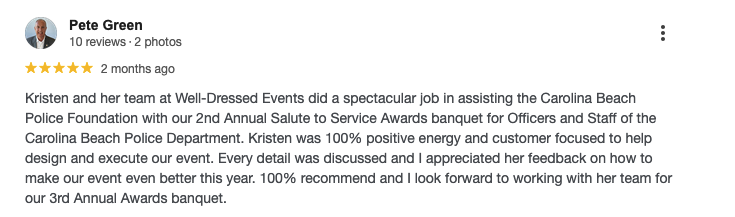
Utilizing the potential of social media can significantly amplify the visibility and effectiveness of charity events. Event coordinators can take advantage of platforms like Instagram, Facebook, and Twitter to create buzz throughout and beyond events. Captivating content, such as live broadcast segments, behind-the-scenes looks, and instant updates, keeps audiences involved. Incorporating interactive elements, like polls or hashtag campaigns, encourages attendees to share their experiences, fostering community engagement. Furthermore, creating shareable graphics and promotional videos can enhance visibility. Post-event, organizers should solicit feedback and testimonials from attendees, allowing for organic sharing and strengthening future connections. By utilizing these strategies, event coordinators can transform social media into a powerful tool for enhancing charity events and maximizing their reach.
How to Measure Event Success
In what ways can event planners successfully gauge the effectiveness of a non-profit charity event? Although measures of success can differ, several critical indicators deliver valuable perspectives. To begin with, financial results are essential; coordinators should measure the revenue generated relative to the objectives defined ahead of the event. Additionally, participant feedback plays a critical role; feedback forms distributed following the event can evaluate overall satisfaction and participant engagement. Additionally, social media metrics, including shares, likes, and comments, can reflect the event's reach and community impact.
Furthermore, evaluating the count of new donors or volunteers obtained during the occasion can suggest potential for long-term engagement. An additional key consideration is media coverage, as enhanced visibility can enhance the organization's reputation. In conclusion, organizers should examine operational execution, including attendance rates compared to registration numbers. Through the integration of these metrics, planning teams can gain a thorough understanding of how successful their event was and identify areas for future improvement.
Popular Questions We Receive
How Can I Find Volunteers for My Charity Event?
To secure volunteers for a charity event, one can utilize local community boards, volunteer organizations, and social media. Additionally, reaching out to schools and universities commonly results in motivated participants eager to share their time and expertise.
What Permits Are Required for Hosting Charity Events?
When organizing charity events, organizers typically need permits such as outdoor gathering permits, alcohol licenses, and special event authorizations. Rules and requirements change based on your area, so checking with local authorities is vital for ensuring compliance and smooth event coordination.
How Do I Successfully Promote My Charity Event?
In order to effectively publicize a charity event, one should utilize popular social networking sites, connect with local press outlets, team up with well-known influencers, design attention-grabbing visual content, and stimulate grassroots word-of-mouth sharing while offering incentives for attendance and participation.
What Are the Most Common Mistakes to Avoid at Charity Events?
Frequent challenges at charity events involve poor preparation, unsuitable venue choices, lack of promotion, overlooking donor appreciation, and inadequate volunteer involvement. Resolving these concerns can substantially boost the event's performance and general achievement.
How Do I Follow up With Donors After the Event?
Connecting with donors after an event entails conveying appreciation through tailored emails or personal notes, highlighting memorable aspects of the event, offering insights into how their donations made a difference, and encouraging continued involvement in upcoming projects.